About
The History of Raquette Lake
Snowshoes, guide boats, Great Camps and a railroad to the water's edge — the story behind the lake outside the door.
Where the Great Camps Began
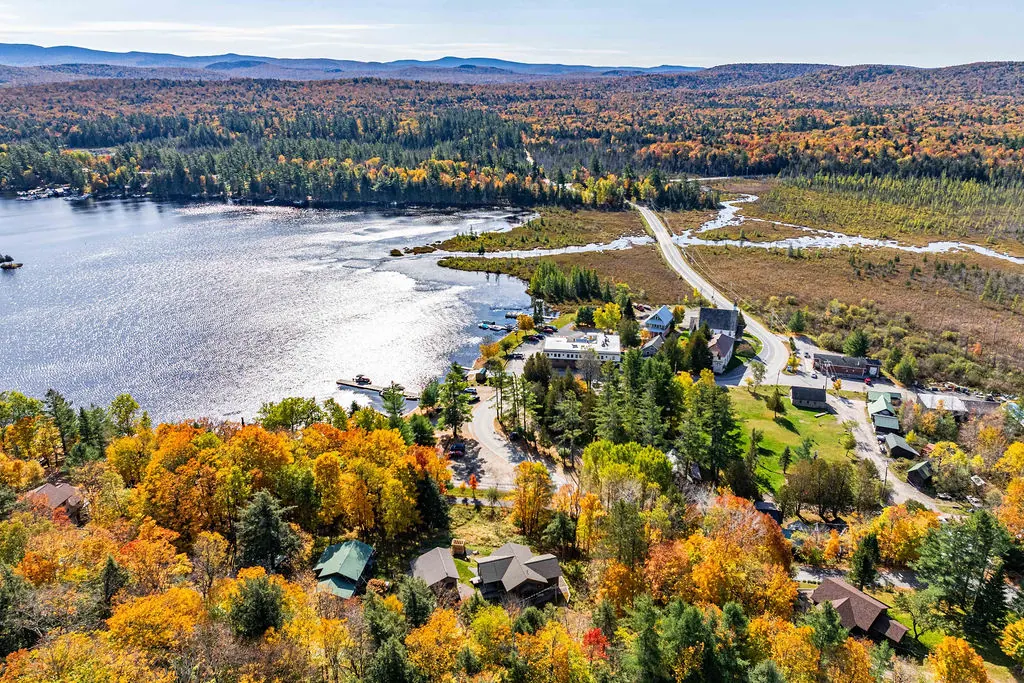
Raquette Lake sits near the geographic heart of the Adirondack Park, the headwaters of the Raquette River, which winds north and west for well over a hundred miles to the St. Lawrence. For centuries the lake was part of a web of water routes and carries used by Indigenous peoples to travel and hunt through the mountains.
The name, local tradition says, comes from raquette — French for snowshoe. The story goes that a party traveling north in the spring of 1776 abandoned a great pile of snowshoes on the shore when the snow melted beneath them.
By the mid-1800s the lake had been discovered by sportsmen, and the Adirondack guides who rowed them in light, swift guide boats. Then came William West Durant. Beginning with Camp Pine Knot in 1877, Durant built log-and-bark compounds that blended into the forest — the rustic, many-buildinged retreats now known as Adirondack Great Camps. Pine Knot was followed by Camp Uncas, later owned by J. P. Morgan, and by Sagamore, which Alfred G. Vanderbilt bought and made his family's wilderness home.
To this day the Great Camps along the lake's bays are among the best-preserved examples of the style anywhere.
Steamboats, a Railroad and a Church on the Point
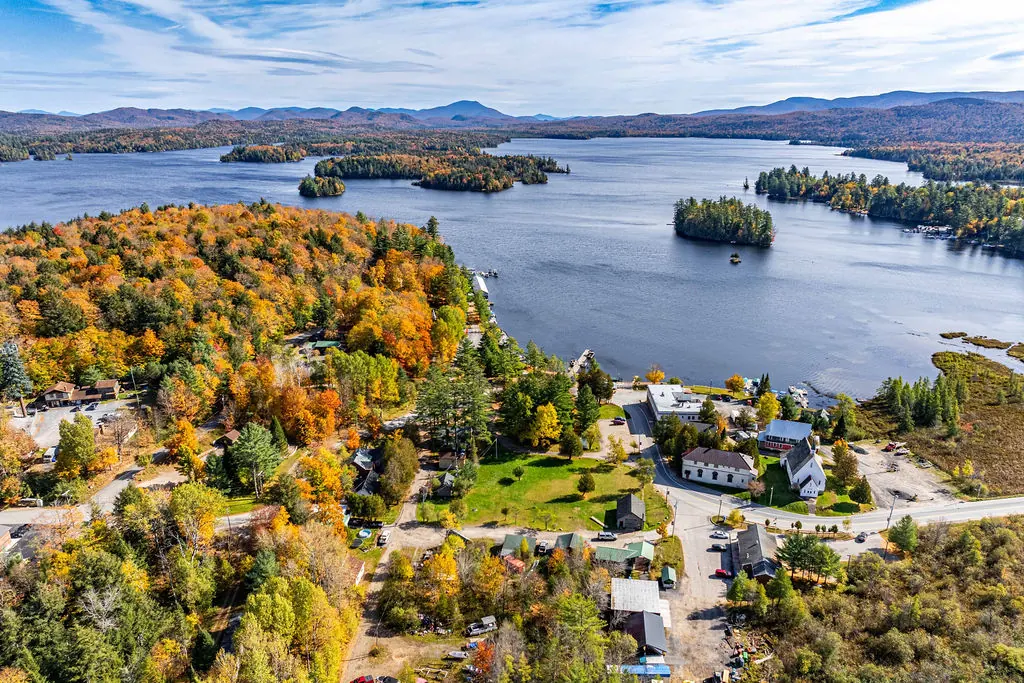
Getting the wealthy to the woods took ingenuity. Around 1900 the Raquette Lake Railway brought private rail cars right to the lake's edge, where steamboats met them and carried guests to their camps. Durant also built St. William's Church on Long Point, reachable only by water; it has been restored and still welcomes summer visitors.
The railroad is long gone, but much of the lake's character is not. Camp Pine Knot is an outdoor education campus, Sagamore is a National Historic Landmark open for tours, and you can still cruise the lake the old-fashioned way aboard the W.W. Durant.
Through the years
A Short History of Raquette Lake
-
Before 1800
Hunting Grounds & Canoe Routes
Long before the first camps, Indigenous peoples traveled and hunted these waters, linking lakes and rivers with carries through the forest.
-
1776
A Name from Snowshoes
Local tradition holds that the lake is named for snowshoes — raquettes, in French — left in a great pile on its shore by a party traveling north during the spring thaw.
-
1850s
The Guides & Sportsmen
Hunters and anglers arrived by guide boat and carry. Guides like Alvah Dunning made the lake their home and their living.
-
1877
Camp Pine Knot
William West Durant began Camp Pine Knot on the lake's southern shore, creating the rustic log style we now call the Adirondack Great Camp.
-
1890
St. William's Church
Durant built a small church on Long Point, reachable only by water. Restored, it still welcomes visitors in summer.
-
1897
Sagamore
Durant finished Sagamore on its own lake south of Raquette; Alfred G. Vanderbilt bought it a few years later, and it became the family's wilderness retreat.
-
1900
The Raquette Lake Railway
A short line brought guests by private car to the lake's edge, where steamers carried them on to their camps. It ran until the early 1930s.
-
Today
A Lake that Kept Its Character
Pine Knot is a college outdoor campus, Sagamore is a National Historic Landmark open for tours, and the hamlet is still a small, friendly harbor on a wild lake.
See it for yourself
Visit Sagamore & the Lake's Historic Sites
Great Camp Sagamore offers seasonal tours a short drive from the cabin, and the Adirondack Experience museum in Blue Mountain Lake tells the whole story of the region, guide boats and all.
Explore Scenery & Hiking
Stay where the history happened.
Request your dates and spend a few days on one of the Adirondacks' most storied lakes.